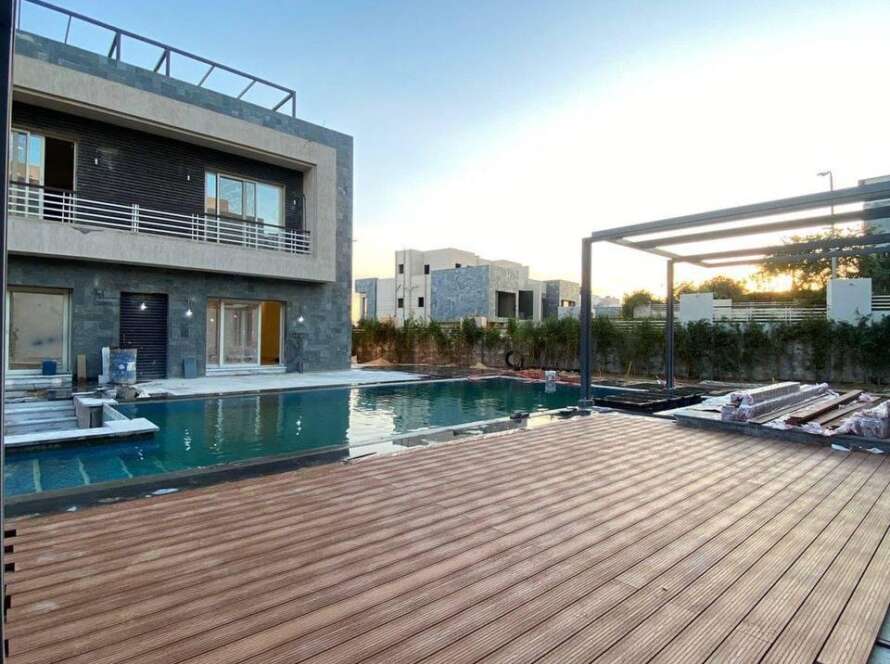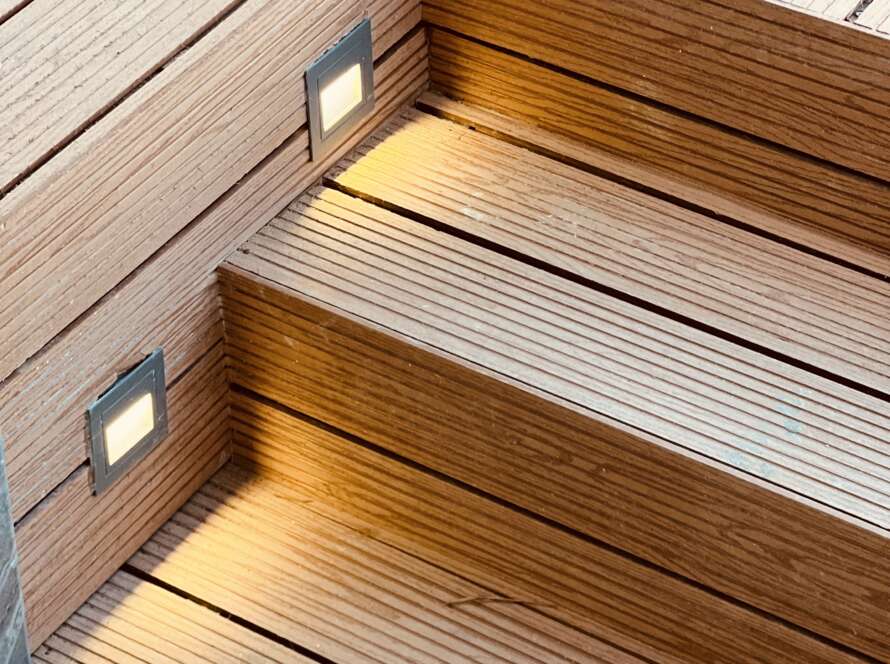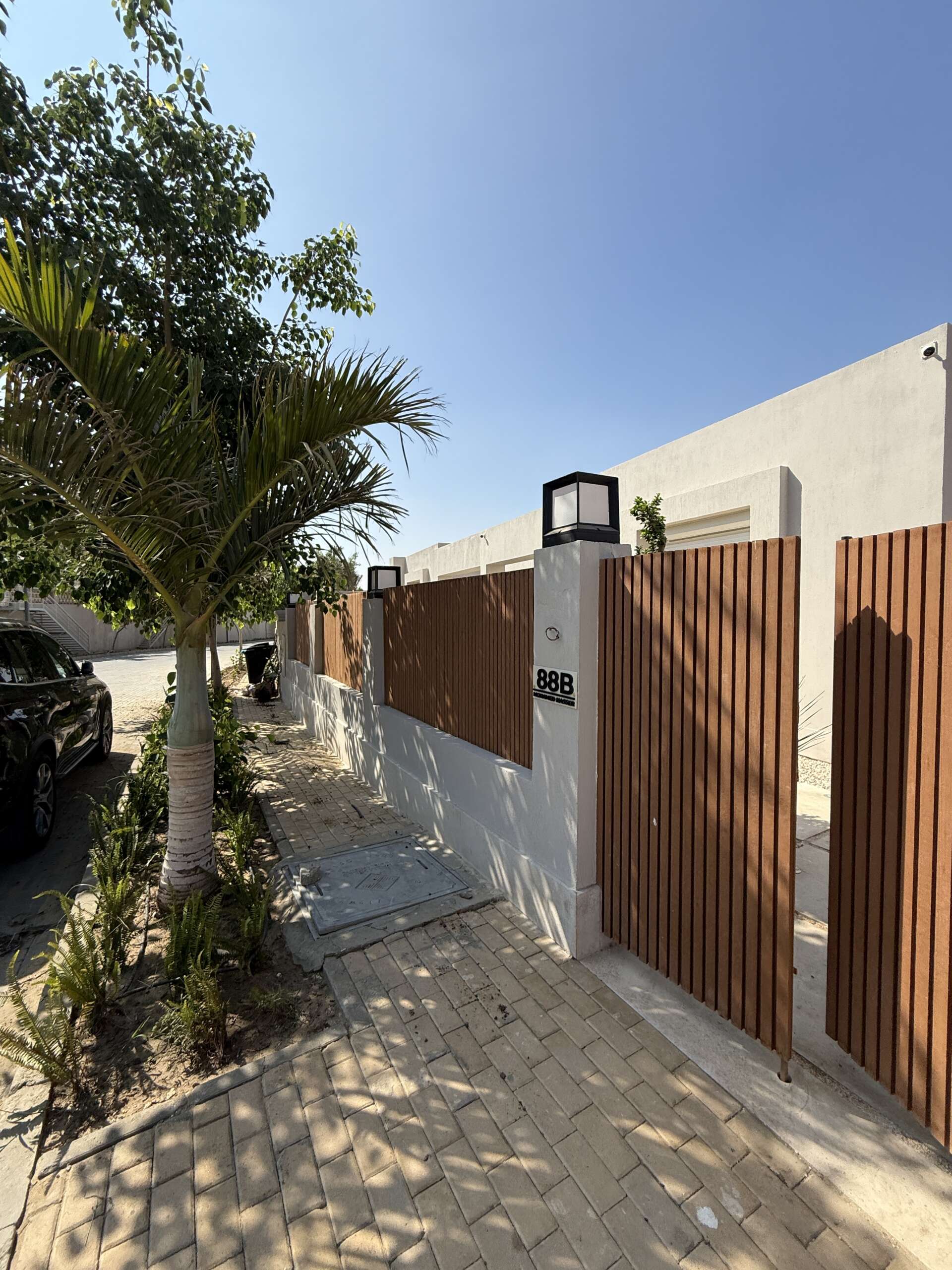
In the fast-paced world of modern architecture, the materials you choose can define an entire building. Imagine combining the natural warmth of wood with the durability and low maintenance of high-tech composites that’s exactly what Wood Plastic Composite (WPC) brings to the table. Gone are the days of compromising between beauty and practicality. WPC has transformed the way architects and homeowners approach design, offering endless possibilities to shape facades, ceilings, terraces, and more. From sleek city skyscrapers to cozy minimalist villas, WPC lets your creativity run free while standing up to the toughest climates. In this guide, we’ll explore the most exciting and innovative ways to use WPC, turning ordinary surfaces into stunning, functional works of art that elevate any space.
1. Redefining the Building Envelope: Vertical vs. Horizontal Play
One of the most immediate ways to impact the visual weight of a structure is through the orientation of its exterior surfaces. Traditional wood siding was often restricted by its weight and the risk of warping over time. Today, architects are utilizing WPC exterior wall cladding to create dramatic vertical lines that draw the eye upward, giving smaller residential buildings a sense of height and grandeur.
Conversely, horizontal placement provides a grounded, organic feel that mimics the stratified layers of natural landscapes. By varying the width of the slats or alternating colors within the same facade, designers can create a rhythmic pattern that breaks the monotony of large concrete or glass surfaces. This play of shadows and light adds a three-dimensional depth that static materials simply cannot achieve.
Advantages of Using Vertical & Horizontal
- Enhances building proportions by making structures appear taller or wider depending on orientation
- Creates dynamic, modern facades with depth, rhythm, and visual movement
- Offers flexible design options through mixing directions, colors, and panel sizes
- Maintains long-term appearance thanks to WPC’s resistance to warping and cracking
- Suitable for both small residential facades and large architectural projects
Disadvantages of Using Vertical & Horizontal
- Requires precise alignment and skilled installation to achieve a clean, professional finish
- Poor planning or overuse of mixed directions can result in a cluttered or inconsistent look
- Detailed layouts may increase installation time and overall labor costs
- Design mistakes are more noticeable compared to simple, uniform cladding styles
2. Seamless Indoor-Outdoor Transitions (Biophilic Design)
The concept of “Biophilic Design” bringing the outdoors in has become a hallmark of luxury modern architecture. WPC cladding serves as the perfect conduit for this transition. Because it is resistant to moisture and temperature fluctuations, it can be used on an exterior terrace and continue seamlessly into the interior living room or hallway.
This continuity erases the visual barrier between the natural environment and the built space. Imagine a feature wall that starts in a garden, passes through a floor-to-ceiling glass partition, and becomes the backdrop for a modern fireplace. This use of texture creates a cohesive narrative throughout the property, providing a sensory experience that feels both sophisticated and grounded.
Advantages of Seamless Indoor-Outdoor WPC Design
- Creates a cohesive and luxurious flow between interior and exterior spaces
- Enhances the sense of openness and spatial continuity in modern homes
- Durable and resistant to moisture and temperature fluctuations, ideal for transitional spaces
- Reduces the need for multiple finishing materials, simplifying design consistency
- Adds value and aesthetic appeal by creating a unique, high-end design feature
Disadvantages of Seamless Indoor-Outdoor WPC Design
- Requires precise detailing at transition points (especially around glass and joints)
- Improper installation can break the seamless visual effect
- May increase initial design and execution costs due to customization
- Needs careful coordination between interior and exterior design teams
3. WPC in Ceiling and Soffit Design
Often referred to as the “fifth wall,” the ceiling is a frequently overlooked canvas in architectural design. Modern designers are now looking upward, using WPC to clad the undersides of roof overhangs, balconies, and entryways (soffits).
When you use high-quality materials, such as the Best WPC cladding in Egypt, for these elevated surfaces, you add a layer of warmth to the structure that softens the “coldness” of modern steel and glass. Furthermore, using WPC for ceilings provides excellent thermal properties, helping to regulate temperatures in shaded outdoor areas while offering a high-end finish that requires virtually zero maintenance compared to painted or timber ceilings.
Advantages of Using WPC for Ceilings and Soffits
- Adds warmth and texture to otherwise overlooked ceiling areas, enhancing overall architectural appeal
- Provides excellent thermal insulation, helping maintain comfortable shaded areas
- Durable and low-maintenance compared to timber or painted ceilings
- Resistant to moisture, insects, and warping, ensuring long-lasting performance
- Can be customized in colors and finishes to complement other facade elements
Disadvantages and Design Challenges to Consider
- Installation at height requires skilled labor and safety measures
- Precise substructure is needed to support panels and ensure longevity
- Higher upfront costs compared to basic ceiling finishes
- Improper installation can lead to misalignment or gaps that affect aesthetics
4. Functional Art: Privacy Screens and Louvers
In densely populated urban environments, privacy is a luxury. However, nobody wants to feel “boxed in” by solid concrete walls. WPC louvers and privacy screens offer a creative solution that balances security with airflow and light.
Architects are designing intricate WPC “skins” for balconies, windows, and terraces. These slats can be angled to block harsh midday sun while allowing soft, ambient light to filter through, creating dynamic shadow patterns inside. Unlike traditional wood, WPC does not splinter or rot, ensuring these screens remain both functional and visually appealing for decades.
Advantages of WPC Privacy Screens and Louvers
- Provides privacy while maintaining airflow and natural lighting
- Creates dynamic light and shadow patterns, enhancing aesthetic appeal
- Durable and resistant to weather, rot, and insect damage
- Low maintenance, eliminating the need for regular sanding or sealing
- Can be customized in size, angle, and finish to match building design
Disadvantages of WPC Privacy Screens and Louvers
- Requires precise design and installation to ensure optimal privacy and airflow
- Angled slats may limit flexibility if adjustments are needed after installation
- Custom fabrication can increase initial cost compared to standard screens
- Poor installation can reduce both functionality and visual impact
5. The Contrast of Materials: Mixing Textures
Modern architecture thrives on contrast. The sleekness of polished concrete, the transparency of glass, and the industrial edge of black steel are all elevated when paired with the organic texture of WPC. By strategically placing cladding in “recessed” areas of a building’s facade, designers can highlight specific architectural features, such as an entrance or a cantilevered second floor.
This layering of materials ensures that the building feels “alive” and textured rather than monolithic. The contrast highlights the best features of each material; the glass looks clearer, the concrete looks more solid, and the WPC looks more invitingly natural.
Advantages of Mixing WPC with Other Materials
- Adds depth, dimension, and visual interest to otherwise flat facades
- Highlights key architectural features and creates focal points
- Enhances the aesthetic appeal of other materials like glass, concrete, and steel
- Provides flexibility in combining textures, colors, and finishes for unique designs
- Durable and weather-resistant, maintaining its appearance over time
Disadvantages of Mixing WPC with Other Materials
- Requires careful planning to ensure harmonious transitions between materials
- Poor detailing can result in visual clashes or uneven finishes
- Installation can be more complex, increasing labor and project costs
- Mistakes in spacing or alignment can reduce the intended visual impact
6. Sustainability Meets Modern Performance
Beyond the visual appeal, the shift toward WPC is heavily driven by the global movement toward sustainable construction. WPC is often composed of recycled wood fibers and high-density polyethylene, making it an eco-friendly alternative to harvesting old-growth timber.
In arid or humid climates, traditional wood requires constant sanding, staining, and sealing—processes that involve volatile organic compounds (VOCs). WPC eliminates this need. It stays true to its color and shape despite intense UV exposure or heavy rainfall. For developers in emerging markets, finding the Best WPC Installation Services in Egypt ensures that these sustainable benefits are maximized through professional fitting, preventing any structural issues and ensuring the facade lasts as long as the building itself.
Advantages of WPC for Sustainable and High-Performance Design
- Made from recycled materials, reducing environmental impact
- Low-maintenance and long-lasting compared to traditional wood
- Resistant to UV exposure, moisture, and extreme weather conditions
- Eliminates the need for chemical treatments, sanding, or painting
- Enhances the building’s value through durability, eco-friendliness, and modern appeal
Disadvantages of WPC for Sustainable and High-Performance Design
- Higher initial cost compared to untreated natural wood
- Quality can vary between manufacturers, so sourcing high-grade WPC is essential
- Improper installation can reduce lifespan and compromise structural performance
- Custom designs may require more planning and fabrication time
WPC cladding is no longer just a trend; it is a fundamental shift in how we approach the “skin” of our buildings. By offering the timeless beauty of wood without its inherent weaknesses, it allows architects to push the boundaries of creativity. Whether it is used to create a striking vertical facade, a seamless indoor-outdoor flow, or a sophisticated privacy screen, WPC stands as the bridge between nature and engineering. As we look toward the future of construction, the integration of high-performance composites will continue to define the silhouettes of our modern cities.
Frequently Asked Questions
Can WPC cladding be combined with other materials?
Absolutely. In fact, WPC is at its best when used in conjunction with other building materials. It pairs exceptionally well with stone veneer, glass, and metal panels. The key to a successful combination lies in the “joint” design ensuring that the transition between WPC and, for example, a stone wall is handled with the correct trim or flashing to allow for natural thermal expansion while maintaining a clean, professional aesthetic.
Is WPC cladding suitable for both residential and commercial buildings?
Yes, WPC is highly versatile. In residential settings, it is prized for its “homely” aesthetic and low maintenance. In commercial applications such as hotels, shopping malls, and office buildings it is preferred because of its high durability and fire-resistant properties. Commercial developers value the long-term cost savings, as WPC does not require the expensive annual upkeep associated with natural wood facades.