Skip to content Skip to sidebar Skip to footer

How to Choose Between WPC, Metal, and Wood Fences & Gates: A Comprehensive Guide

Selecting the right fencing and gate material is one of the most significant decisions a homeowner can make regarding their property’s exterior. A fence is more than just a boundary; it is a blend of security, privacy, and aesthetic appeal that defines the character of your home. With a plethora of options available today ranging from traditional timber to modern composites and industrial metals the choice can feel overwhelming. In this guide, we will break down the three most popular materials: Wood, Metal, and WPC (Wood Plastic Composite). By understanding the nuances of each, you can make an informed decision that balances long-term value with immediate visual impact.

The Timeless Appeal of Wood Fencing

For centuries, wood has been the gold standard for residential fencing. Its natural warmth and organic texture provide a classic look that complements almost any architectural style, from rustic cottages to traditional suburban homes. Whether you prefer the vertical lines of a picket fence or the total seclusion of a board-on-board privacy fence, wood offers unparalleled versatility.

However, the beauty of wood comes with a commitment. Because wood is an organic material, it is susceptible to the elements. Moisture can lead to rot, while UV rays from the sun cause the color to fade into a weathered gray over time. To keep a wooden fence looking its best, homeowners must invest in regular staining, painting, and sealing every few years. Furthermore, wood is vulnerable to pests like termites and carpenter ants, which can compromise the structural integrity of the gate and panels if left untreated.

While the initial cost of wood is often lower than metal or high-end composites, the long-term maintenance costs and the eventual need for replacement should be factored into your budget.

Strength and Sophience: The Case for Metal Fences

If your primary concerns are security and a “high-end” feel, metal fencing specifically wrought iron or aluminum—is often the top contender. Metal gates provide a sense of permanence and strength that wood simply cannot match. Wrought iron is heavy, incredibly durable, and can be forged into intricate, custom designs that serve as a focal point for your driveway or garden.

On the other hand, aluminum has become a favorite for modern residential projects because it is lightweight and naturally resistant to rust. Unlike iron, which requires periodic sanding and repainting to prevent corrosion, powder-coated aluminum is virtually maintenance-free. It provides the sleek, minimalist look that many contemporary architects crave.

Despite these advantages, metal fences offer very little in terms of privacy. Most metal designs feature open slats or rails, meaning your yard remains visible to neighbors and passersby. For homeowners who prioritize a secluded sanctuary, metal is often used only for the front gate, while other materials are used for the perimeter.

The Rise of WPC: The Best of Both Worlds

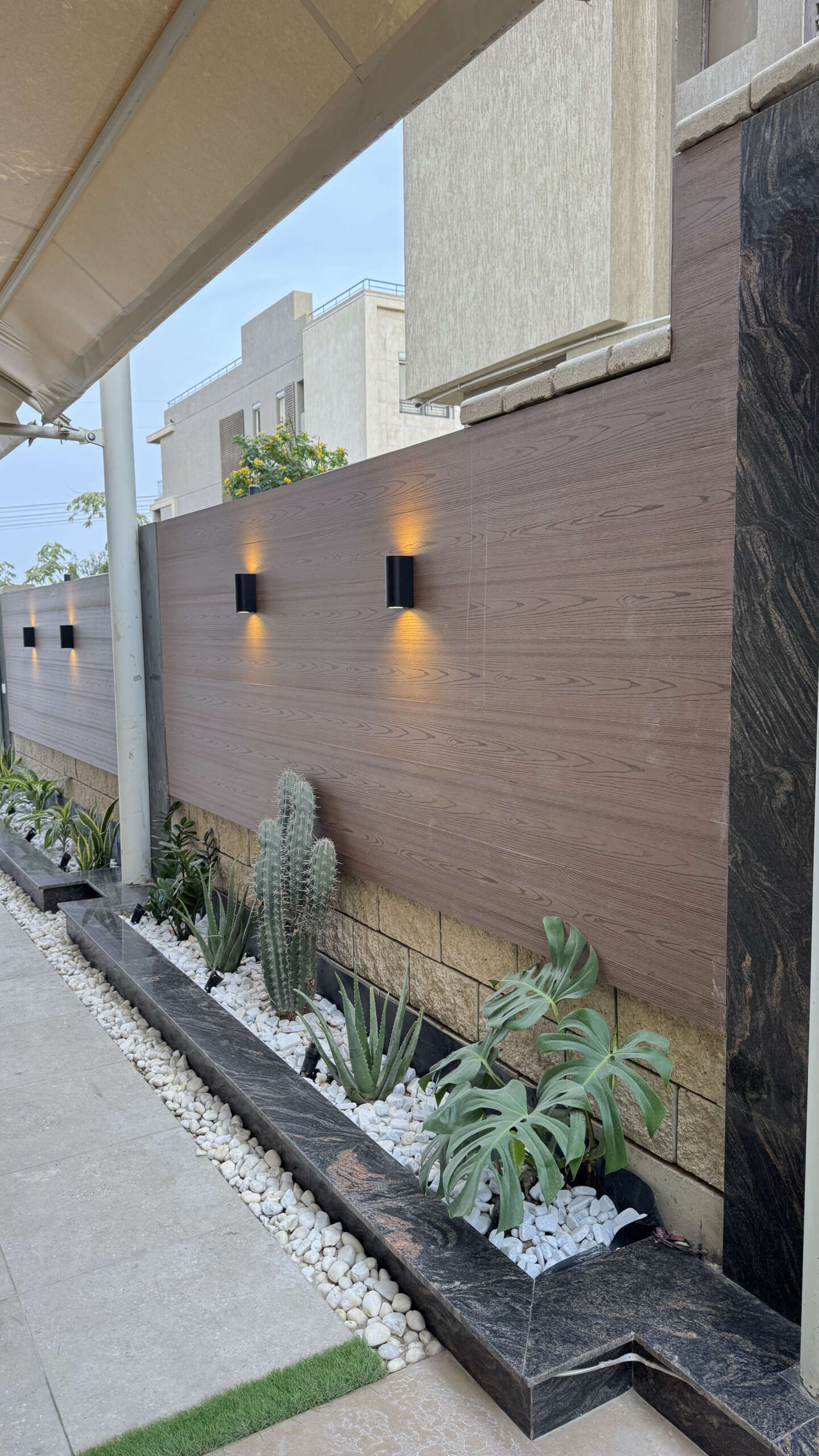
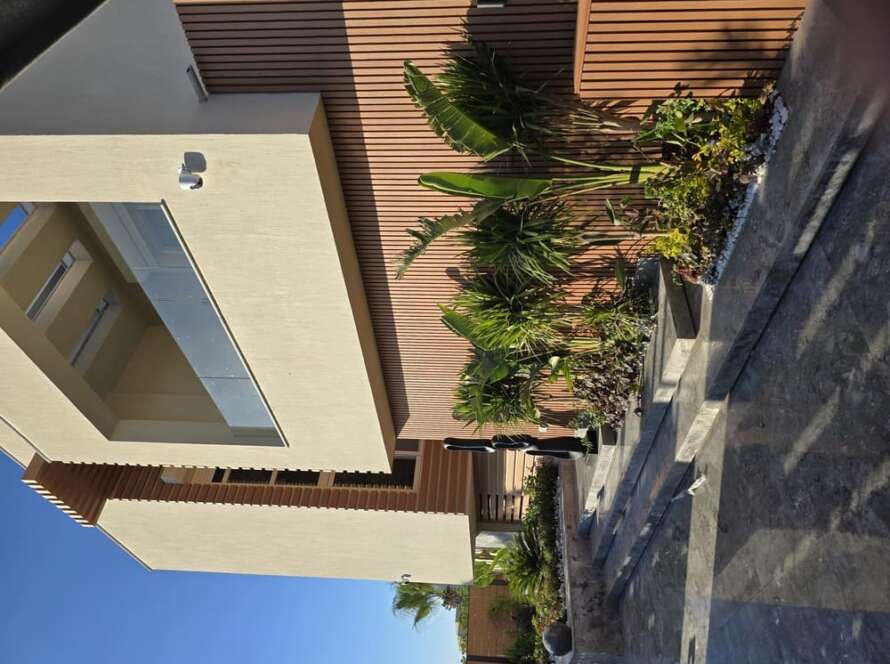
In recent years, Wood Plastic Composite (WPC) has revolutionized the outdoor construction industry. By combining reclaimed wood fibers with recycled plastics, manufacturers have created a material that mimics the look of natural wood but possesses the durability of synthetic polymers. This innovation has made finding the best WPC fences and gates in Egypt a top priority for those who want a premium look without the headaches of traditional lumber.

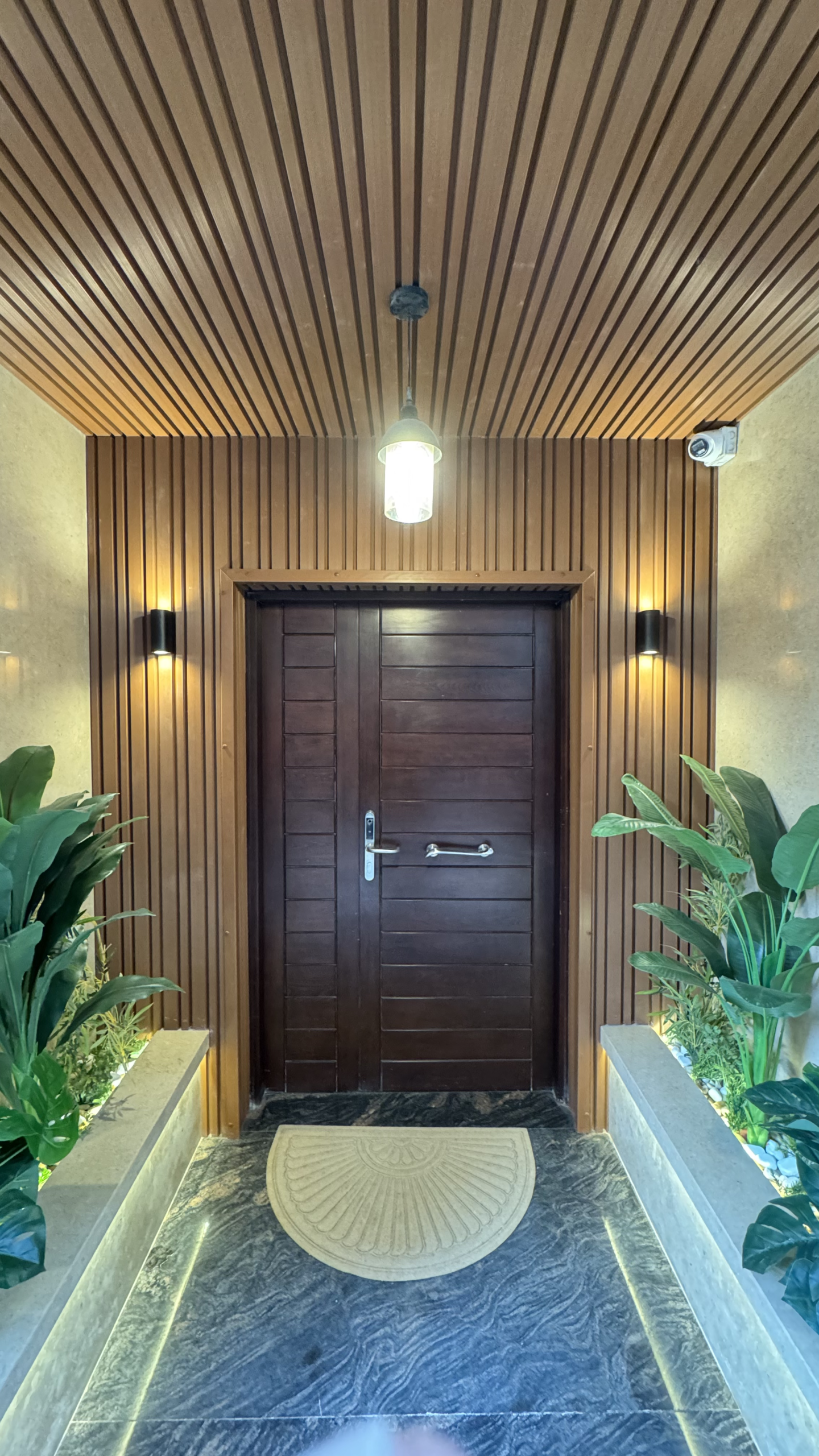
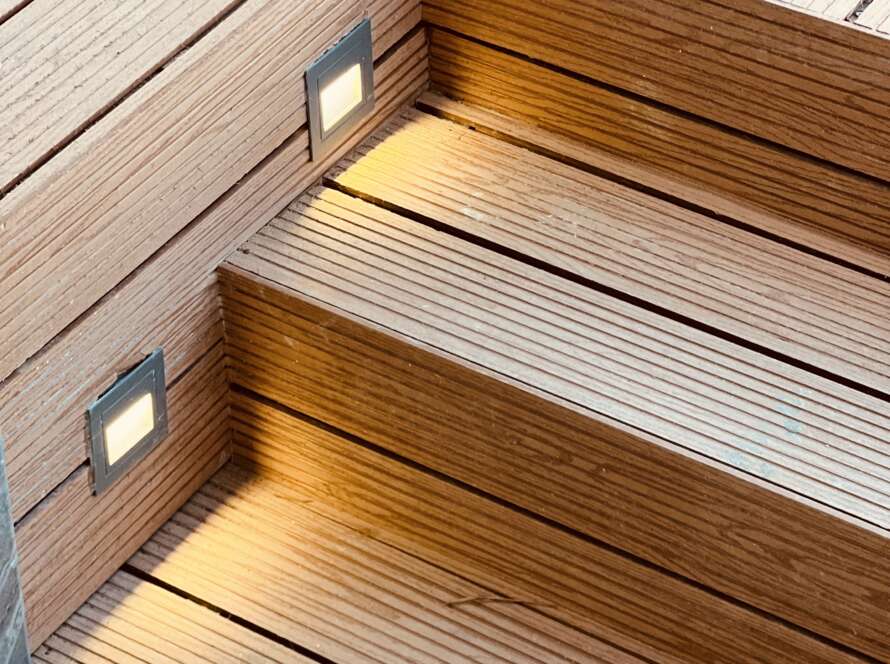
WPC is engineered to resist the very things that destroy wood. It does not warp, crack, or splinter, and it is completely impervious to termites. Because the color is “baked in” during the manufacturing process, you never have to pick up a paintbrush or a sander. This makes it an ideal solution for busy homeowners who want their property to look pristine year-round with nothing more than an occasional wash with a garden hose.

Moving from the technical benefits to the aesthetic ones, WPC offers a clean, uniform finish that fits perfectly with the sleek lines of 21st-century design. When you are looking for the Best wpc garden fence in Egypt, you’ll find that WPC provides a level of privacy and sound dampening that metal fences simply can’t offer, while maintaining a much higher level of durability than standard wood.

Making the Right Choice for Your Climate and Lifestyle

When choosing between these three materials, you must consider your local environment. In regions with high heat, intense sun, or humidity, materials like wood can deteriorate rapidly. This is where the resilience of composites and treated metals truly shines. A fence is a long-term investment, and choosing a material that can withstand the specific rigors of your climate will save you thousands in the long run. Beyond the material itself, the quality of the install is just as important as the product. Even the most expensive composite panels will sag or lean if the post-setting isn't handled correctly. Therefore, it is essential to seek out the Best WPC Installation Services in Egypt to ensure that your gates are perfectly leveled and your fence line is structurally sound. Professional installers understand the expansion and contraction rates of different materials, ensuring your fence remains straight and functional for decades.

Summary Comparison Table

Feature

Wood

Metal (Aluminum/Iron)

WPC (Composite)

Durability

Moderate (Needs care)

High

Very High

Maintenance

High (Staining/Painting)

Low to Moderate

Minimal (Soap & Water)

Privacy

Excellent

Poor (Open Slats)

Excellent

Aesthetic

Natural/Traditional

Industrial/Modern

Contemporary/Clean

Pest Resistance

Low

High

High

Common Questions About Fencing Materials

What are the benefits of WPC fences?

WPC fences offer a unique combination of longevity, sustainability, and low maintenance. Unlike wood, they do not rot, warp, or require annual staining. They are made from recycled materials, making them an eco-friendly choice, and they provide excellent privacy and noise reduction. Additionally, they are splinter-free and safe for families with pets and children.

Which fence material is best for modern homes?

For modern homes characterized by clean lines and minimalist palettes, WPC and Aluminum are the best choices. WPC provides a sleek, “wood-look” texture that adds warmth to modern concrete or glass structures, while aluminum offers a sharp, industrial edge. Both materials support the “set-and-forget” lifestyle that modern homeowners prefer.

Can WPC fences withstand harsh weather?

Yes, WPC is specifically engineered to handle extreme weather conditions. It is highly resistant to UV radiation, meaning it won’t bleach or become brittle under intense sun. It is also moisture-resistant, which prevents the swelling and mold growth that typically plagues wooden fences in humid or rainy environments.

Whether you choose the classic charm of wood, the structural integrity of metal, or the innovative resilience of WPC, your fence should reflect your personal style and practical needs. While wood remains a beautiful choice for those who don’t mind the upkeep, and metal serves those seeking high security, WPC is increasingly becoming the preferred option for the modern homeowner. By selecting high-quality materials and professional installation, you ensure that your home remains beautiful, private, and secure for many years to come.

Leave a comment

Go to Top