Introduction
The architectural landscape in Egypt is undergoing a significant transformation. As homeowners and developers seek materials that combine high-end aesthetics with the resilience required for our unique climate, Wood Plastic Composite (WPC) has emerged as a frontrunner. Specifically, WPC louvers have become a staple in modern design, offering a sophisticated "ribbed" texture that enhances both residential and commercial facades. If you are looking to elevate your property's exterior or improve its functional performance, understanding the advantages of this material is crucial. In this comprehensive guide, we will explore why WPC louvers are the preferred choice for contemporary construction and how they outperform traditional materials.
What exactly is WPC?
Before diving into the benefits, it is essential to understand what makes WPC unique. Wood Plastic Composite is a hybrid material composed of wood fibers (usually sawdust or wood flour) and thermoplastic resins, such as polyethylene or PVC. By blending these elements, manufacturers create a product that possesses the natural warmth and beauty of wood while benefiting from the durability and moisture resistance of plastic.
This synergy results in a material that does not rot, warp, or crack—common issues faced by natural timber when exposed to the elements. In a region where temperature fluctuations and high UV exposure are the norm, finding the best wpc louver panels in Egypt has become a priority for those who value long-term structural integrity.
Unmatched Durability Against the Egyptian Elements
One of the primary reasons architects favor WPC is its incredible lifespan. Natural wood cladding often falls victim to the harsh sun, leading to fading and splintering over time. WPC, however, is engineered with UV stabilizers that protect the color and structure of the panels.
Whether your property is located in the humid coastal areas of Alexandria or the dry, high-heat environment of Cairo, WPC louvers maintain their shape and finish. This resilience is a major factor why contractors consistently recommend the best WPC exterior louvers in Egypt for luxury villas and corporate headquarters alike. Beyond just resisting the sun, these louvers are also impervious to termites and fungal decay, ensuring that the “new” look of your building lasts for decades rather than years.
Low Maintenance: The Gift of Time and Savings
In the world of property management, maintenance is a recurring cost that many overlook during the initial design phase. Traditional wood requires sanding, staining, and sealing every two to three years to prevent it from degrading. This process is not only expensive but also time-consuming and disruptive.
WPC louvers eliminate this burden entirely. Because the color is deeply embedded in the composite material during production, there is no need for painting or varnishing. A simple periodic wash with water and mild soap is usually enough to keep the louvers looking pristine. This “set it and forget it” nature allows homeowners to enjoy the luxury of wood aesthetics without the grueling upkeep schedules.

Aesthetic Versatility and Modern Appeal
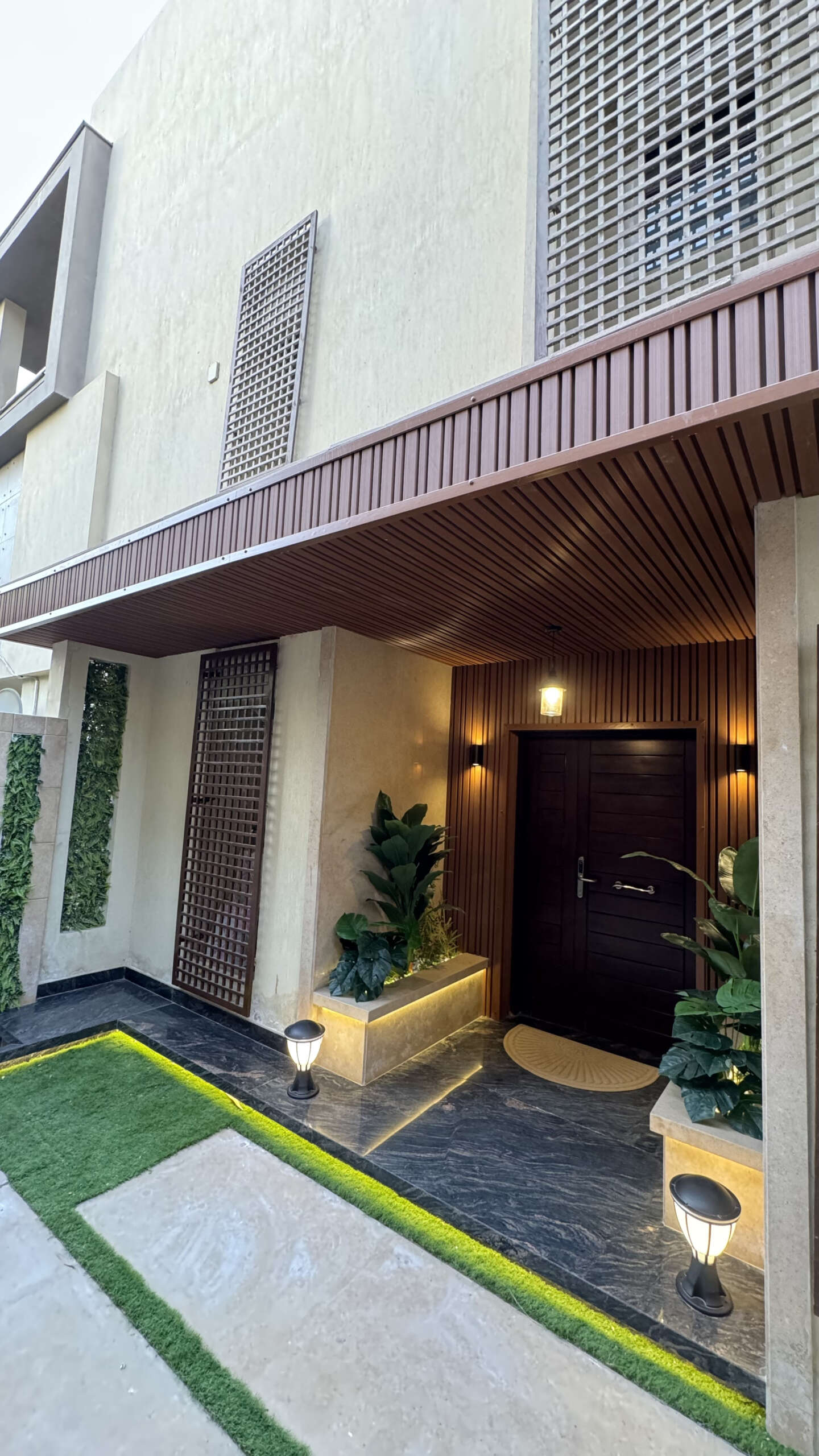
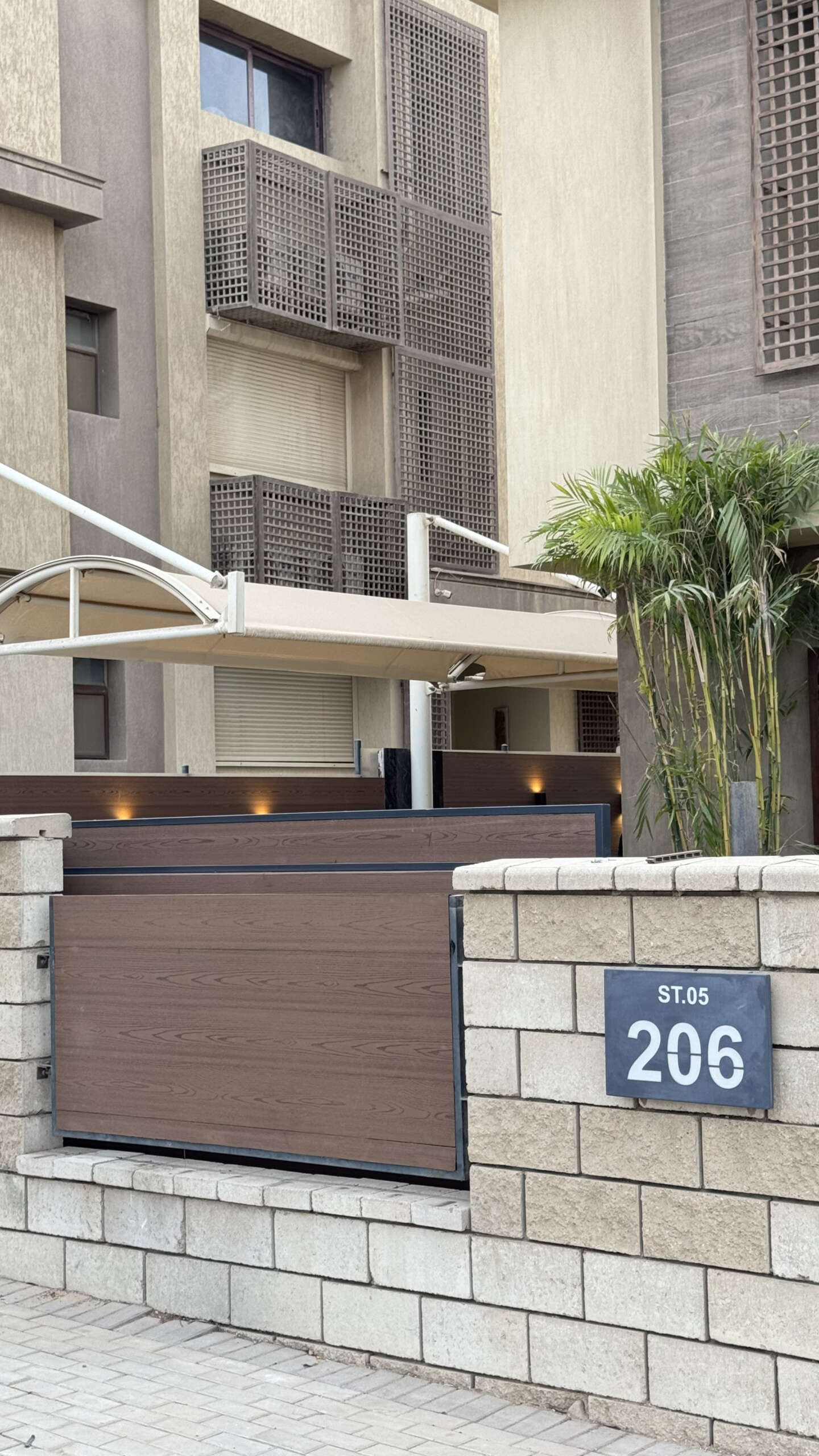
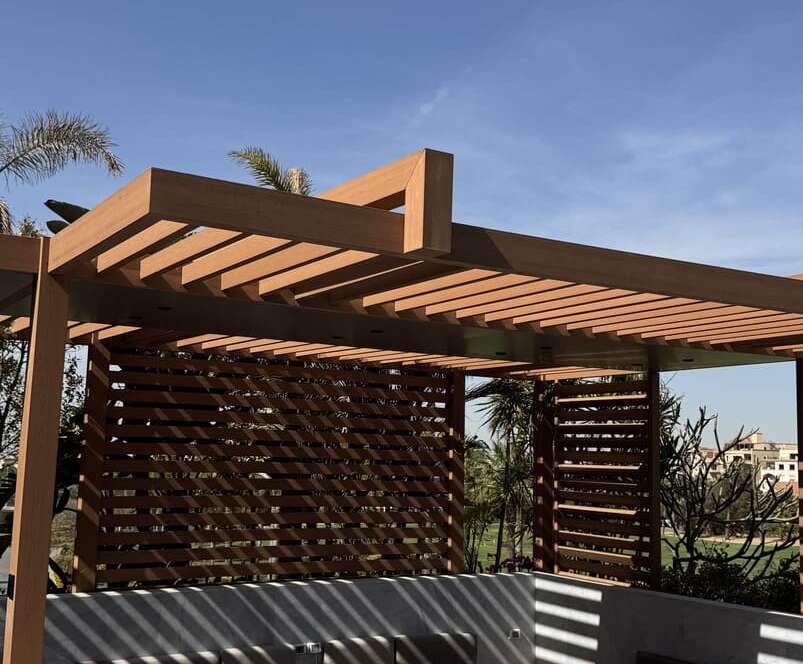
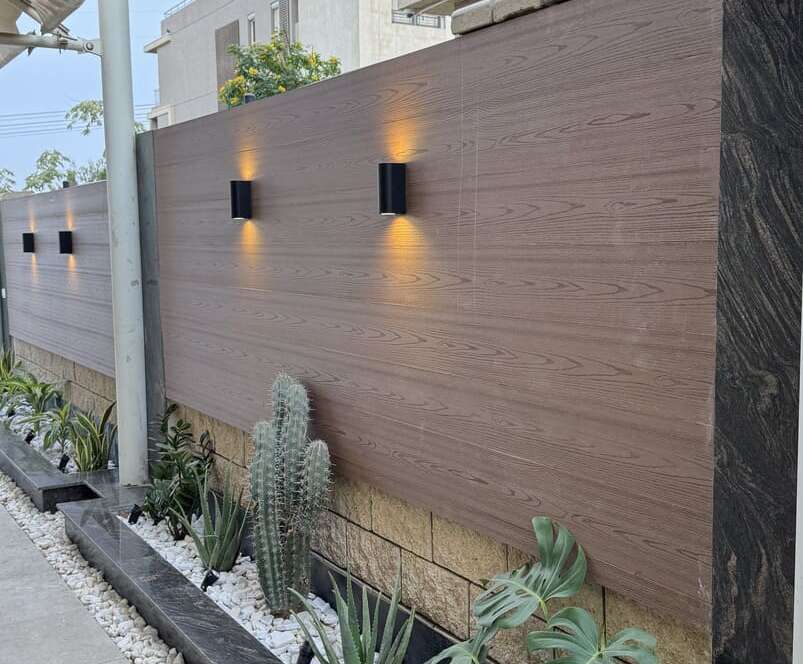
Design trends currently lean toward clean lines, geometric patterns, and organic textures. WPC louvers fit this brief perfectly. They offer a rhythmic, linear appearance that adds depth and shadow play to a flat wall. These panels are available in a wide variety of finishes, ranging from deep teaks and walnuts to modern charcoal grays. This versatility ensures that whether you are aiming for a rustic Mediterranean vibe or a sleek, minimalist industrial look, there is a WPC profile to match. By integrating these elements, architects can break up large vertical surfaces, creating visual interest and a sense of premium craftsmanship.
Thermal Insulation and Energy Efficiency
While aesthetics are important, the functional impact of louvers on a building’s energy consumption is a significant benefit. WPC louvers act as a secondary skin for the building. By creating a barrier between the sun’s rays and the actual wall of the structure, they significantly reduce “heat gain.”
In Egypt’s summer months, this thermal buffer can lead to lower indoor temperatures, which in turn reduces the load on air conditioning systems. This makes WPC not just a decorative choice, but an eco-friendly and economical one. The air gap between the louver panels and the wall also allows for natural ventilation, preventing moisture buildup and further regulating the temperature of the building’s envelope.
Seamless Installation and Professional Execution
Even the highest quality materials can fail if they are not installed correctly. One of the advantages of WPC systems is their lightweight nature and interlocking mechanisms, which allow for a much faster installation process compared to stone or heavy timber.
However, to ensure that the expansion and contraction gaps are handled correctly—especially given our thermal variations—it is vital to work with experts. Securing the Best WPC Installation Services in Egypt ensures that your investment is protected by proper mounting techniques, high-quality hidden fasteners, and expert alignment. A professional installation guarantees that the lines remain perfectly straight and the structure remains secure against high winds and sandstorms.
Environmental Sustainability
As the construction industry moves toward “green” building practices, WPC stands out as a sustainable alternative. Most WPC products are made from recycled wood waste and reclaimed plastics, preventing these materials from ending up in landfills. Furthermore, because WPC lasts significantly longer than natural wood and requires no chemical stains or cleaners, its total environmental footprint is considerably smaller over its lifecycle.
Frequently Asked Questions
To help you better understand the role of these architectural elements, we have answered the two most common questions regarding louver systems:
What is the purpose of louvers in building?
The primary purpose of louvers is to control the relationship between the interior and exterior environments. Functionally, they are used to manage light entry, provide ventilation while keeping out rain or debris, and offer privacy without completely blocking the view. Architecturally, they serve to add texture, define the building’s character, and protect the structure’s façade from direct solar radiation.
Why are louvers important to a house?
Louvers are important to a house because they enhance both comfort and security. They allow homeowners to enjoy natural airflow and “passive cooling,” which improves air quality and reduces energy bills. Additionally, they provide a layer of privacy from neighbors and passersby, especially in densely populated urban areas, while still allowing natural light to filter into the living spaces. From a value perspective, they significantly increase the “curb appeal” and resale value of a property by giving it a modern, well-maintained appearance.
Conclusion
WPC louvers represent the perfect marriage of form and function. They solve the age-old problem of wanting the beauty of wood in a climate that typically destroys it. By offering durability, thermal efficiency, and low maintenance, they provide a return on investment that few other cladding materials can match.