Skip to content Skip to sidebar Skip to footer

How to Choose the Right Pergola Design for Different Outdoor Spaces

Introduction

Designing an outdoor pergola is not just about aesthetics—it’s a practical decision that directly impacts comfort, shading, usability, and the overall experience of your space. With so many types of spaces and climate conditions, choosing the right pergola design requires a thoughtful approach that balances function and beauty. This guide walks you through the key architectural, environmental, and structural considerations to help you select the ideal pergola design whether it's for a garden, terrace, rooftop, courtyard, or even a front entrance

1. Assess the Characteristics of Your Space

Start by understanding the physical and visual attributes of your outdoor area:

  • Shape: Is the space rectangular, square, circular, or irregular?
  • Dimensions: What is the available length, width, and height, especially near walls or fences?
  • Surface Type: Is the surface level? What’s the material—concrete, tiles, grass, or gravel?
  • Fixed Elements: Are there trees, air conditioning units, columns, or doorways to consider?

A smart design works with the space not against it.

2. Define the Pergola’s Main Purpose

A pergola isn’t one-size-fits-all. You should clarify how you plan to use it:

  • Relaxation spot: Choose a semi-open design for ventilation and filtered light.
  • Dining or hosting area: Opt for a more enclosed structure for sun and rain protection.
  • Front entrance or statement piece: Go for a sleek, architectural design that adds presence.
  • Reading or meditation corner: Use soft tones, climbing plants, and minimalism.
  • Walkways or transitions: Long, narrow pergolas with repeated columns offer rhythm and flow.

3. Consider Location, Climate & Sun Direction

Your geographical location greatly influences design choices. For example:

  • In hot regions, you’ll want denser shade and cross-ventilation.
  • In coastal areas, prioritize wind resistance and anti-corrosive materials.

Assess sun paths and wind patterns to determine:

  • Pergola orientation and tilt angle.
  • Whether you’ll need side panels, curtains, or retractable shades.
  • Where to place the pergola within your layout for optimal comfort.

4. Choose the Right Material

Each material has pros and cons, depending on your climate, budget, and style: Natural wood: Offers warmth and authenticity but needs regular maintenance. WPC (Wood-Plastic Composite): Weather-resistant, long-lasting, low-maintenance, and visually similar to wood. Aluminum: Lightweight, rust-proof, great for modern minimalist designs. Wrought iron or steel: Ideal for classic or ornate looks, but may rust without proper care.

5. Match the Design to Your Overall Aesthetic

A pergola should feel like a natural extension of your outdoor environment:

  • Match color schemes with nearby walls or flooring.
  • Repeat textures or patterns from other elements (stone, wood, lighting fixtures).
  • Use complementary outdoor furniture and decor for a cohesive visual language.

6. Integrate Functional Add-ons

The best pergolas are those that enhance your outdoor experience with smart integrations:

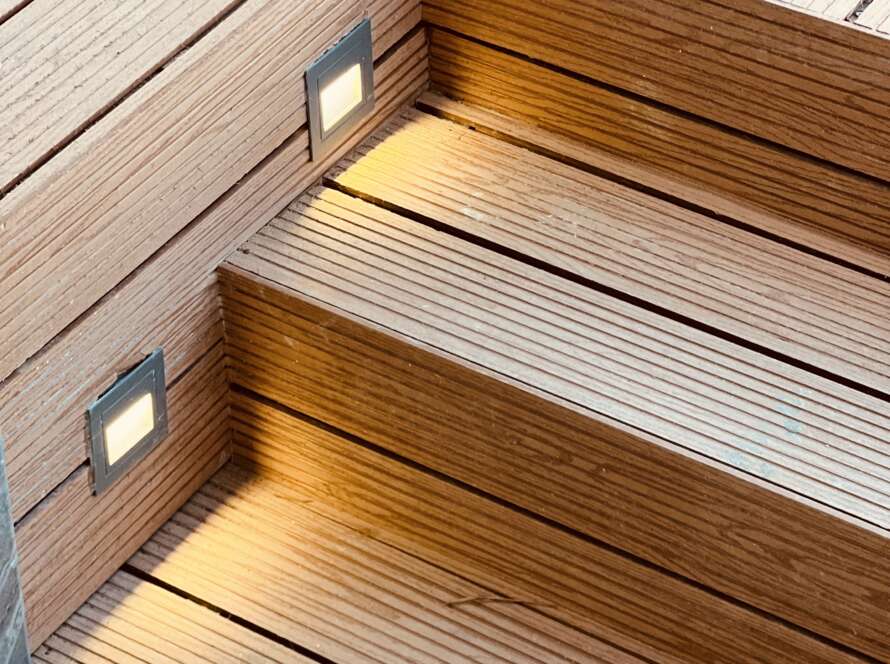
  • Built-in lighting: Adds warmth and usability after dark.
  • Curtains or sliding panels: Great for privacy or protection from harsh sunlight.
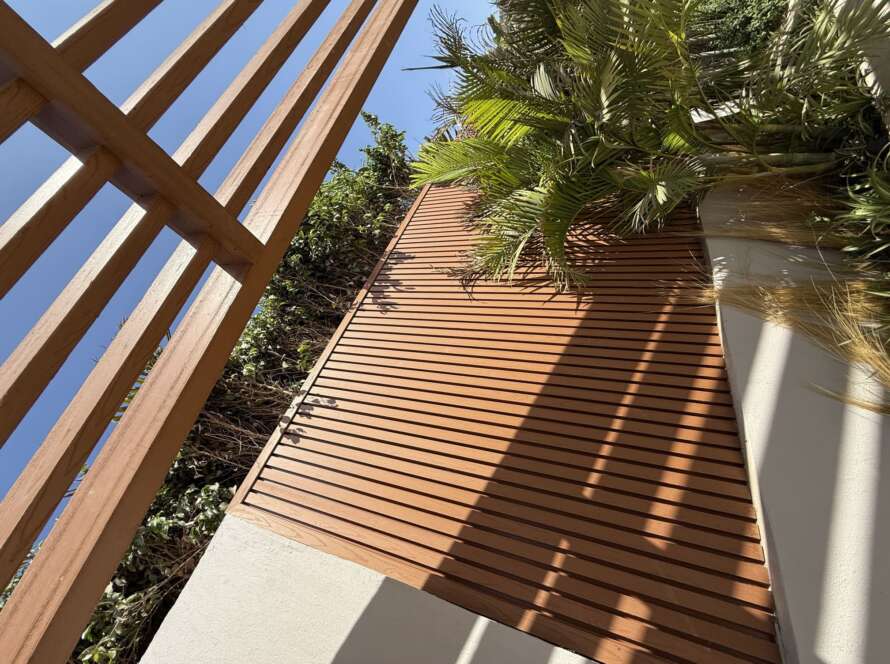
  • Climbing plants: Add texture, natural shade, and seasonal variation.
  • Coordinated flooring: Wooden or stone platforms unify the pergola with its surroundings.

7. Structural and Engineering Considerations

Safety and longevity should never be compromised:

  • Support structure: Must be strong, balanced, and properly anchored.
  • Mounting method: Will vary depending on your surface type (soil, concrete, tiles, etc.)
  • Drainage slope: A subtle incline in the roof ensures rainwater runoff.
  • Height: Must allow comfortable headroom while ensuring effective shading.

8. Smart Pergolas and Modern Technology

Technology is reshaping outdoor living with exciting innovations:

  • Motorized roofs that open and close with a remote.
  • Rain or wind sensors that trigger automatic adjustments.
  • Smart lighting systems controlled by phone apps or motion sensors.

These features add convenience, but require early planning and expert installation.

9. Check Regulations and Permissions (If Required)

Some residential compounds or municipalities require permits for pergolas, especially those attached to buildings or with permanent structures.

Before building, confirm:

  • What materials and designs are allowed?
  • Are there height or footprint restrictions?
  • Do you need approval from the HOA or city authority?

10. Consult a Design or Architecture Expert

If your space is complex or your vision ambitious, working with a designer or architect can:

  • Offer tailored design options.
  • Provide 3D renderings or visual mock-ups.
  • Ensure proper engineering and code compliance.

Final Thoughts

Choosing a pergola is a process, not just a product. When thoughtfully designed, a pergola can transform your outdoor area into a serene, functional, and inspiring place to relax, entertain, or simply enjoy your environment.

Take the time to assess your needs and space. Don’t rush the design, and always consider expert input when the project demands it. Integrating elements such as exterior WPC louvers & high-quality WPC exterior wall cladding.

Your outdoor space deserves a pergola that reflects your lifestyle and elevates every moment you spend under the open sky.

Leave a comment

Go to Top