Let’s be honest, in the world of Egyptian hospitality, the “look” is everything, but the “cost of upkeep” is the silent killer of ROI. If you’re a contractor managing a sprawling resort in Hurghada, Sharm El Sheikh, or even a boutique hotel in Cairo, you know the drill: natural wood looks magnificent for exactly one season. After that, the intense sun, humidity, and constant guest traffic turn that “luxury” finish into a splintered, faded liability.
This is why WPC (Wood Plastic Composite) has moved from being an “alternative” to the industry standard. For contractors, WPC isn’t just a material choice; it’s a strategic move to slash maintenance complaints and deliver a project that looks just as good five years later as it did on opening night.
Why Hotels and Resorts in Egypt Are Switching to WPC Across Their Entire Property
The shift toward WPC in Egypt’s hospitality sector isn’t just a trend it’s a response to our specific geographic challenges. From the salt-heavy air of the Red Sea to the dry, baking heat of Upper Egypt, traditional materials are under constant siege.
1. Extreme Durability for High-Footfall Areas
Hotels deal with “high-traffic” in a way residential projects don’t. Think about a resort walkway hundreds of guests, heavy luggage carts, and staff moving back and forth 24/7. How does WPC perform in high-footfall hotel areas like pool decks and resort walkways? Exceptionally well. Unlike natural wood, WPC doesn’t dent easily or wear down in high-friction zones. Its density ensures it maintains structural integrity under the weight of heavy commercial use.
2. The “No-Sanding” ROI
For a hotel manager, closing a pool area for three days to re-sand and varnish a wooden deck is a nightmare. It means lost revenue and unhappy guests. WPC eliminates this. It requires no painting, staining, or sealing. A simple pressure wash is usually all it takes to keep it looking pristine.
3. Safety First
In a resort environment, safety is a legal necessity. WPC is engineered to be slip-resistant, even when wet. More importantly, it is 100% splinter-free. No guest wants their vacation ruined by a trip to the clinic because of a rogue piece of timber by the pool.
Which WPC Products Work Best for Each Area of a Hotel or Resort
When specifying materials for a large-scale project, “one size fits all” doesn’t apply. Different zones require different WPC profiles to ensure longevity and aesthetic appeal.
The Relaxation Zones
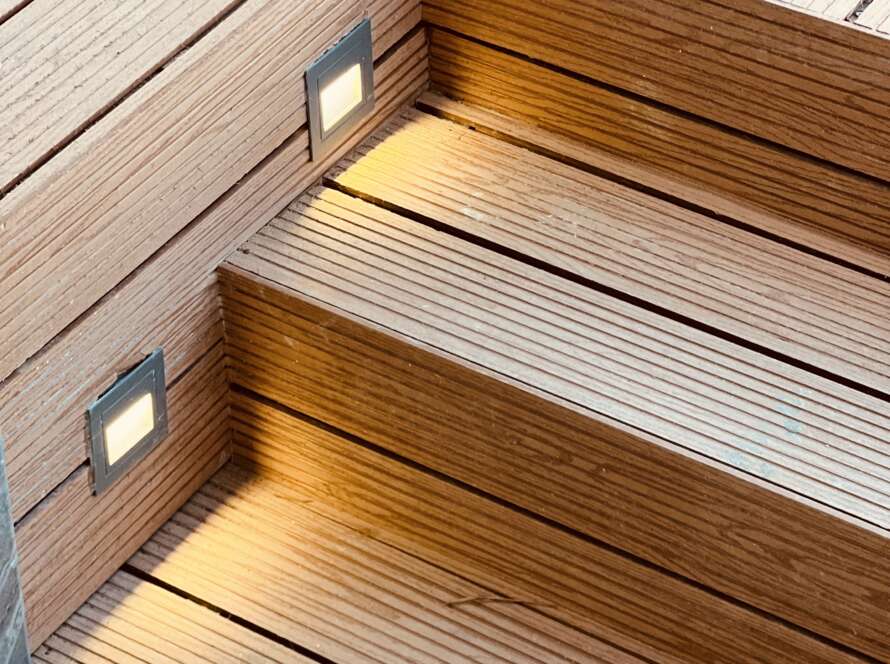
For breakfast terraces or poolside lounges, you need the best WPC decking in Egypt. High-quality composite boards provide that warm, organic feel guests love, without the warping issues common in the Egyptian heat.
Outdoor Dining and Shade Structures
Pergolas are the heart of any outdoor resort bar or restaurant. However, traditional wooden pergolas often peel and crack, dropping debris onto dining tables. Using WPC pergolas for hotel outdoor areas provides a permanent, elegant shade solution that doesn’t require annual repainting. They are also structurally reinforced to handle wind loads in coastal areas.
Building Exteriors and Cabin Aesthetics
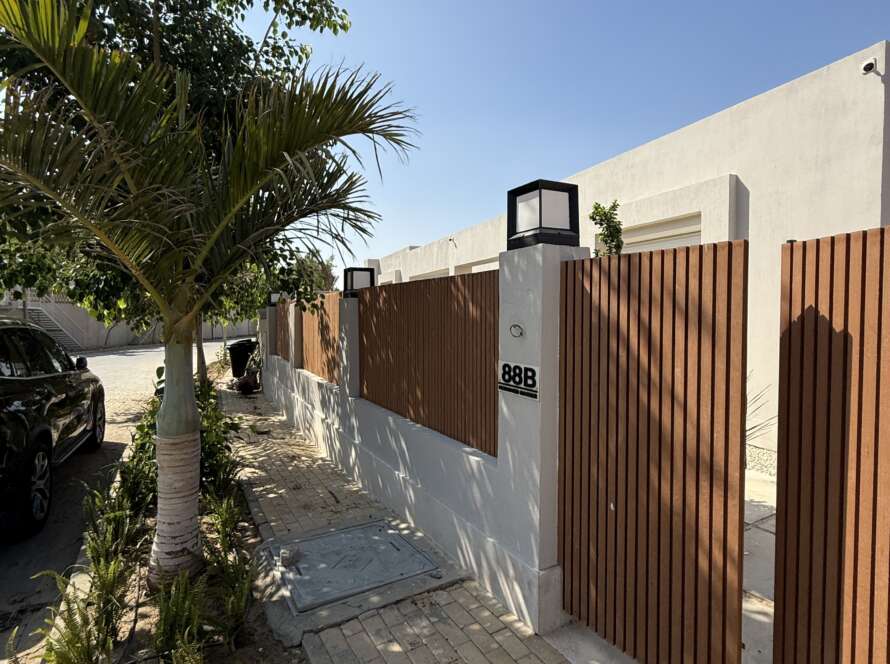
Can WPC be used for beach cabins and resort caravans? Absolutely. In fact, it’s the best material for them. Many resorts are moving toward WPC exterior wall cladding to give their bungalows a modern, “scandi-chic” look. Because WPC is resistant to salt air and moisture, it’s the perfect envelope for beachfront units that are otherwise exposed to the harshest elements 365 days a year.
What Every Contractor Should Know Before Ordering WPC for a Large Hospitality Project
Ordering for a resort is a different beast than ordering for a villa. Scale introduces complexity. Here is what you need to consider to keep the project on track:
- UV Stability and Color Matching: Ensure you are sourcing from a provider like WestWood WPC that offers consistent color batches. In a project covering thousands of square meters, a slight shade variation between batches can be very noticeable.
- Sub-structure Quality: The WPC is only as good as the frame it sits on. In coastal resorts, we recommend aluminum or galvanized steel joists to ensure the entire system not just the surface is rust-proof.
- Lead Times and Logistics: For a large hotel, you aren’t just buying boards; you’re managing a timeline. How long does WPC installation typically take for a large hotel project? While WPC is faster to install than natural wood (due to hidden clip systems), a large-scale resort deck or facade can take anywhere from 3 to 6 weeks depending on the complexity and crew size.
The WestWood Tip: In the hospitality industry, “cheap” often becomes “expensive” very quickly through maintenance costs. Choosing WestWood WPC ensures your project stays premium from the grand opening to the ten-year anniversary.
Contact WestWood WPC today for a technical consultation and let’s build a resort that lasts.
People Also Asked (FAQ)
Which WPC products are most commonly used in hotel and resort projects?
Typically, contractors focus on three main areas: heavy-duty decking for pool surrounds, wall cladding for the main building’s aesthetic features, and pergolas or fencing to define private guest areas.
What information should a contractor prepare before requesting a WPC project quote?
To get an accurate quote, you should have:
- Total square meterage (and linear meters for pergolas).
- Site location (to determine salt/UV exposure levels).
- Surface type (to plan the sub-structure).
- Desired color and texture finish.
How easy is it to replace a single board in a large hotel deck?
Very easy. Because WPC uses a clip-and-groove system, you can usually unscrew a specific section and replace a single board without tearing up the entire deck a huge plus for hotel maintenance teams.
Is WPC eco-friendly for “Green” certified resorts?
Yes. Most WPC is made from recycled plastic and reclaimed wood fibers. Using it can contribute to a project’s sustainability rating, which is increasingly important for international hotel chains in Egypt.